Relational Learning, The Key to Good Education
January 22, 2026
By:
Jonathan Parker
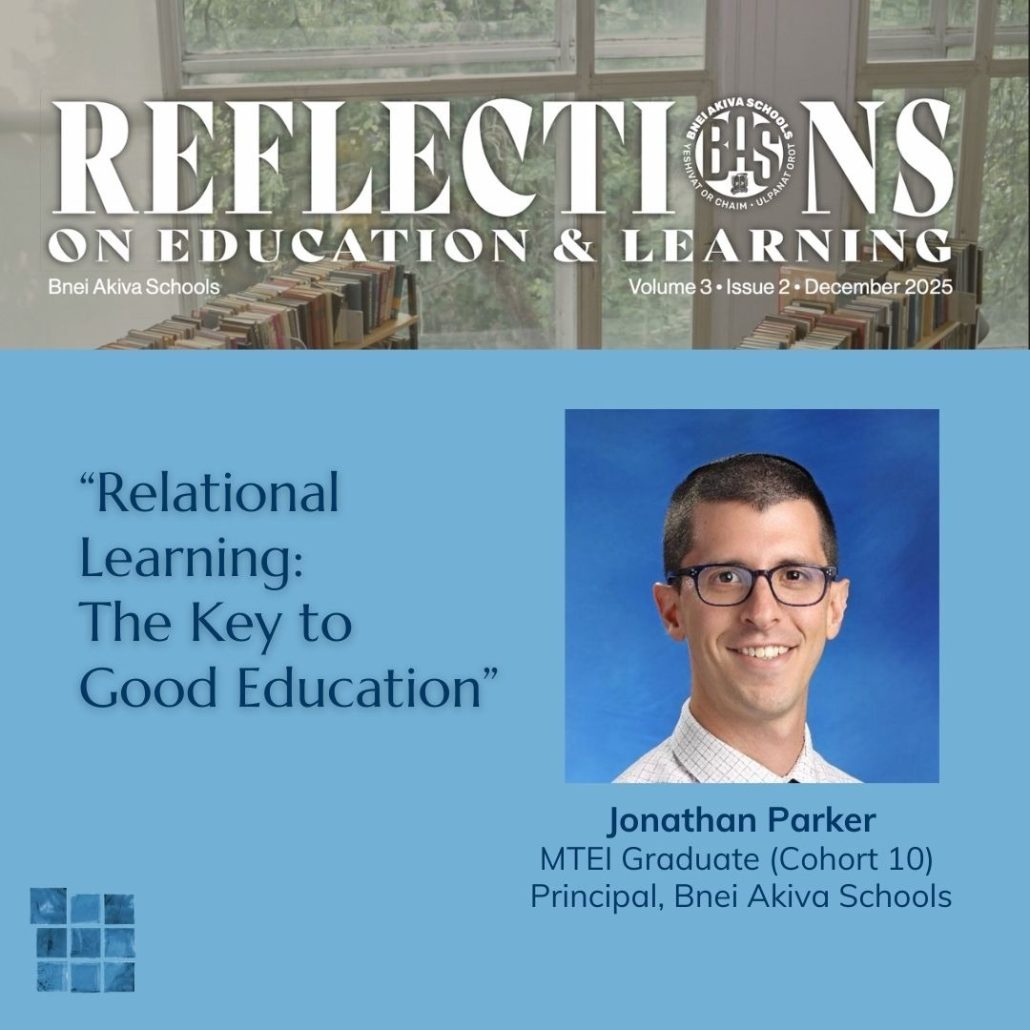
In 1974, David Hawkins proposed a three-part model of teaching-learning relationships, which others have since reframed as the “Instructional Triangle” or “Relational Triangle.” He explained that the teacher, student, and text (subject) all exist in a relationship with one another, and that all three elements must remain balanced for sound education to take place. If undue stress is put on the student-teacher relationship, then the class could be exclusively about socialization; too much emphasis on the teacher’s relationship with the text could easily lead to the content being inaccessible to the students; and highlighting the connection of the student and the text will leave the class unmoored from academic standards. Think of it this way – if the focus of a class is on the student-teacher relationship, all they will do is talk and connect, which is wonderful, but does not advance the curriculum. If the focus is on the teacher-text relationship, the class will be extremely high-level, probably out of reach for most students. And if the focus is on the student-text relationship, there will be no analysis or authentic understanding, only personal reflections. All three pieces must be balanced in a thoughtful way to maximize the impact of the class and school. According to this model, the crux of good education is identifying and exploring the relationships between these three elements.
Read the full article here: BAS-F2025-Reflections-JP.pdf